
Views: 0 Author: Site Editor Publish Time: 2025-09-22 Origin: Site


1、 Core characteristics of food glass jars
Food glass jars, with their unique advantages, occupy an important position in the field of food packaging and storage. The specific characteristics can be summarized into the following eight points:
Excellent safety: The glass material itself does not contain harmful substances such as lead and mercury, and will not undergo chemical reactions when in contact with food, avoiding the risk of harmful substances migrating and contaminating food from the root, providing a solid guarantee for food safety.
High transparency visibility: High quality food glass jars have excellent transparency, allowing consumers to clearly observe the color, status, and remaining amount of food inside without opening the container. This not only enhances the product display effect but also increases consumer trust.
Excellent high temperature resistance: Glass can withstand temperatures of 120 ℃ or even higher, and is suitable for food processing such as high temperature sterilization and steaming, especially for foods that require pasteurization or high temperature filling (such as canned food and jam).
Recyclability: After thorough cleaning and disinfection, the glass jar can be reused multiple times, which not only reduces packaging costs but also reduces the generation of disposable packaging waste, in line with the concept of green consumption.
Strong corrosion resistance: Glass has good resistance to most chemical substances such as acid, alkali, salt, etc. It will not be easily corroded or rusted like metal containers, nor will it age or deteriorate like some plastic containers due to contact with oily or acidic foods.
Beautiful and easy to process: The surface of the glass jar is smooth and clean, and patterns and text can be customized through processes such as screen printing, hot stamping, and spraying, which can not only enhance the product packaging level but also facilitate brand image dissemination.
Long term freshness: When used with a sealed lid, the glass jar can effectively isolate external air, moisture, and odors, preserving the original flavor, taste, and nutrition of the food to the greatest extent possible, and will not release odors that affect food quality.
Environmental recyclability: Despite the high energy consumption in the glass production process, its recycling rate is extremely high (recycled glass can be repeatedly melted to make new containers), which can significantly reduce resource consumption and environmental pollutant emissions, making it an environmentally friendly packaging material.
2、 Typical application scenarios of food glass jars in the food industry
Based on the above characteristics, food glass jars are widely used in the food industry, covering multiple sub fields:
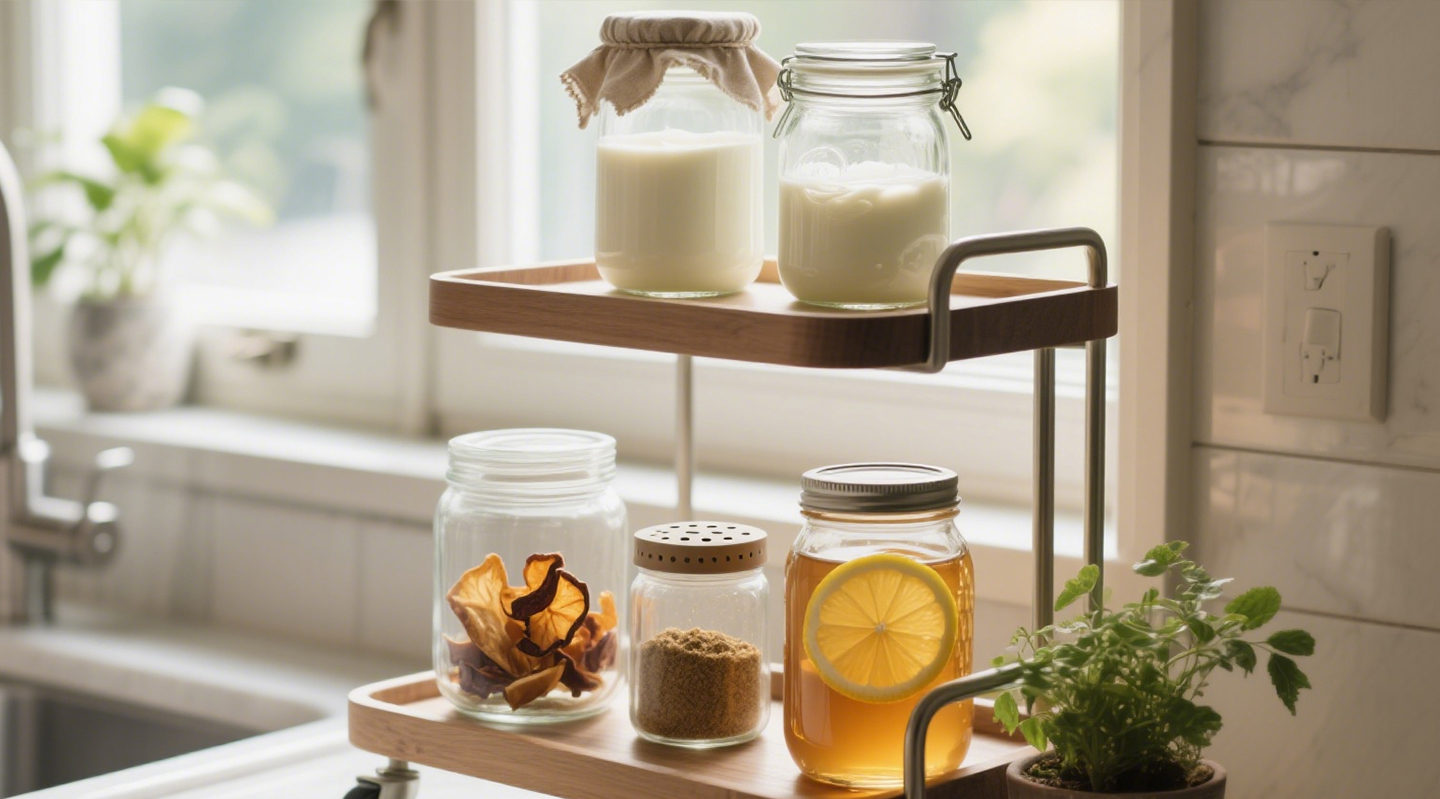
Honey storage: Honey has a certain acidity and is easily hygroscopic. The chemical stability of glass jars can prevent it from reacting with the container. At the same time, good sealing performance prevents honey from absorbing moisture from the air and fermenting and deteriorating, maintaining the viscous texture and natural flavor of honey for a long time.
Storage of miscellaneous grains: Rice, red beans, mung beans and other miscellaneous grains are prone to moisture and insect infestation during storage. The sealed and moisture-proof characteristics of glass jars can isolate moisture and insects, and the transparent appearance also facilitates quick identification of the types of miscellaneous grains in the jar, making it suitable for use in households and grain and oil stores.
Tea preservation: Tea leaves are sensitive to light, moisture, and odors. Light resistant glass jars (such as tea colored glass jars) can block ultraviolet radiation, prevent tea leaves from oxidizing and deteriorating. At the same time, the sealed design can prevent tea leaves from absorbing external odors and maintain a strong tea aroma.
Food curing: When making pickles, pickled Chinese cabbage, Fermented bean curd and other pickled foods, the high tightness of the glass can create an anaerobic environment, which is conducive to the fermentation of beneficial bacteria such as lactic acid bacteria, and the glass material will not react with the organic acid produced during the curing process, so as to ensure the safety and taste of the pickled products.
Canned packaging: Products such as canned fruits, canned meat, canned fish, etc. are commonly packaged in glass cans. On the one hand, the high temperature resistance of glass is suitable for the high-temperature sterilization process of canned food. On the other hand, its chemical stability can ensure that canned food does not deteriorate during long-term storage (such as 1-2 years), and its transparent appearance can visually display the contents of the can.
Seasoning packaging: Seasoning such as soy sauce, vinegar, bean paste, chili sauce, etc. are mostly acidic or oily. The corrosion resistance and sealing of glass jars can prevent the seasoning from spoiling and leaking, and the transparent design also facilitates consumers to observe the condition of the seasoning (such as whether there is sediment).
3、 Reusable frequency and influencing factors of food glass jars
Under normal use and maintenance, ordinary food glass jars can usually be reused dozens or even hundreds of times. However, it should be noted that if the glass jar has cracks, gaps, edge damage, or if the sealing cover is aging and the sealing performance significantly decreases, it should be immediately stopped from use to prevent food leakage, deterioration, or safety hazards caused by glass damage.
There are four key factors that affect the reuse frequency of glass jars: Glass material and thickness: Made from high-quality materials such as high borosilicate glass and sodium calcium glass, glass jars with thicker walls have stronger impact and temperature resistance, better durability, and can be reused more times; Thin walled or inferior glass jars are prone to damage due to minor collisions.
Usage and cleaning methods: Avoid severe collisions and falling from heights during use. Use soft brushes, sponges, and tools (instead of hard tools such as steel wire balls) for cleaning. Avoid soaking in strong alkaline cleaning agents for a long time, which can effectively reduce the wear and damage of glass jars and extend their service life.
Storage environmental conditions: Long term exposure to high or low temperature fluctuations (such as pouring boiling water directly from the refrigerator) or humid environments can cause glass jars to crack due to thermal expansion and contraction, or rust on the sealing cover due to humidity. Therefore, extreme temperature changes should be avoided during storage, and the environment should be kept dry and ventilated.
Sealing component status: The sealing performance of glass jars mainly depends on components such as silicone rings and rubber pads on the lid. If these components age, deform, or break, it will cause sealing failure. Even if the glass jar itself is intact, it cannot continue to be used for food storage and needs to be replaced with sealing components or the entire lid in a timely manner.
4、 Scientific cleaning methods and precautions for food glass jars
(1) Basic cleaning steps
Preliminary rinsing: Before using a glass jar, rinse the inside and outside of the jar with flowing water to remove dust, impurities, or residual labels attached to the surface (if the label is difficult to tear, soak it in warm water for a moment).
Warm water and detergent cleaning: Pour neutral detergent (or food grade cleaner) into warm water (recommended temperature of 40-60 ℃ to avoid sudden glass cracking due to overheating), soak in a glass jar for 5-10 minutes, and gently wipe the inner wall of the jar, the threads of the jar mouth, and other areas that are prone to dirt accumulation with a soft brush or sponge.
Thoroughly rinse the residue: After cleaning, rinse the inside and outside of the tank repeatedly with flowing water to ensure that the detergent residue is completely washed away (observe whether there are water droplets evenly attached to the tank wall, if the water droplets are dispersed, it means there is no residue).
Dry storage: Invert the cleaned glass jar onto a clean drain rack or towel, let it air dry naturally before storage, to prevent residual moisture in the jar from breeding bacteria or causing odors.
(2) Deep cleaning techniques (for stubborn stains and odors)
Rice Friction Method: For glass jars with sauce residue attached to the inner wall (such as Douban Sauce and Sesame Sauce), 10-20 grains of rice can be placed, and a small amount of warm water (about 1/5 of the jar volume) can be added. After tightening the lid, shake vigorously for 1-2 minutes, and use the friction effect of rice to remove the residue. Repeat 2-3 times and rinse.
White vinegar soaking method: If there is scale, mold or odor on the glass jar, dilute white vinegar with water in a ratio of 1:3, pour it into the jar and soak for 2-4 hours (stubborn stains can extend the soaking time). The acidity of white vinegar can decompose scale and mold, and also have a sterilizing and deodorizing effect. After soaking, rinse and dry it.
Lemon salt method: Cut the lemon in half, sprinkle a little salt on the cut surface, wipe the inner and outer walls of the glass jar with the lemon cut surface. The friction effect of salt can enhance the cleaning effect, and the acidity of lemon can remove stains and odors. Finally, rinse with clean water.
Eggshell Baking Soda Method: To solve the problem of difficult cleaning of the inner wall of a fine mouthed glass jar (such as a seasoning bottle), the eggshell can be crushed and placed in the jar with 1-2 tablespoons of baking soda. Add an appropriate amount of warm water, tighten the lid, and shake for 3-5 minutes. The edges of the eggshell combined with the cleaning ability of baking soda can easily remove residual stains inside the fine mouthed jar.
(3) Cleaning and usage precautions
Avoid sharp tools: Do not use sharp tools such as steel wire balls and blades during cleaning to prevent scratching the glass surface (scratches can easily accumulate dirt and may reduce the strength of the glass).
Timely cleaning and disposal: Glass jars should be cleaned as soon as possible after use to avoid food residues (especially oily and viscous residues) adhering to the jar wall for a long time, which increases the difficulty of cleaning.
Preventing temperature difference rupture: Glass jars are not resistant to sudden cooling and heating. When cleaning, do not pour the cold jar directly into boiling water, nor do you put the sterilized hot jar directly into cold water to prevent rupture due to temperature changes (it is recommended to choose high borosilicate glass jars that are resistant to sudden cooling and heating).
Pay attention to storage hygiene: After drying, glass jars should be stored in a dry, ventilated, and dark place, avoiding direct sunlight that may cause aging of sealed components or the growth of bacteria and mold in humid environments.
5. Summary
The cleaning work of food glass cans is the core link to ensure food storage safety and extend the service life of cans. Mastering scientific cleaning methods and precautions can effectively remove stains and odors inside the cans and avoid cross contamination of food; Reasonably reusing and correctly maintaining glass jars not only reduces packaging costs, but also embodies the concept of resource conservation and environmental protection.
Whether for daily household use or large-scale application in food enterprises, fully understanding the characteristics, application scenarios, and usage techniques of food glass jars can better leverage their advantages, safeguard food quality and safety, and promote green packaging and sustainable development.