
Views: 0 Author: Site Editor Publish Time: 2026-03-18 Origin: Site


Choosing the right wine bottle matters a lot.
Many buyers decide by appearance first.A wine bottle affects quality and storage.
It also shapes brand image and trust.In this article, you will learn key factors.
We explain how to choose the best option.
A high-quality wine bottle begins with the right raw materials, including silica and other compounds, which are melted at high temperatures to form glass, and this process must be carefully controlled to ensure consistency and strength. After molding, the bottle undergoes annealing, which removes internal stress and improves durability, making it less likely to crack during transport or use. Bottles with visible defects such as bubbles, uneven thickness, or rough surfaces indicate poor manufacturing quality and should be avoided, especially for commercial use where consistency is critical.
The size of a wine bottle should align with your target market and usage scenario, because standard 750ml bottles are widely accepted and suitable for most retail applications, while smaller bottles such as 187.5ml or 375ml are ideal for sampling, gifting, or travel use. Larger formats like magnum bottles are often used for aging or special events, offering a premium experience and better preservation due to lower oxygen exposure. Selecting the right size also impacts logistics, storage efficiency, and overall cost management.
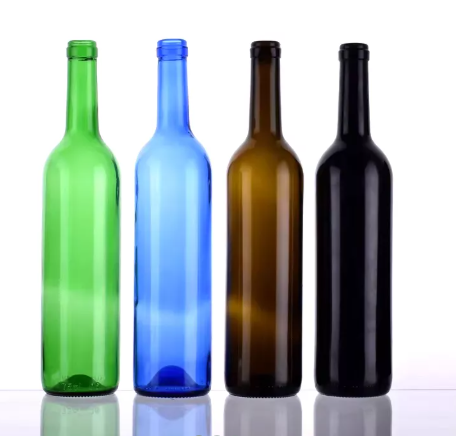
Color is not only a design element but also a functional feature, because darker bottles such as green or amber provide protection against UV light, which can degrade wine quality over time. Clear bottles, on the other hand, allow consumers to see the wine, enhancing visual appeal and helping with purchasing decisions, especially for white and rosé wines. Unique colors like blue or black can create strong brand differentiation, but they should be used carefully to balance aesthetics with functionality.
The shape of a wine bottle affects both usability and branding, as traditional shapes like Burgundy and Bordeaux convey authenticity and familiarity, while modern or customized designs can help products stand out on shelves. Shape also influences storage and transportation, because some designs are easier to stack and handle than others, making it important to consider both visual appeal and practical functionality.
Closures play a crucial role in preserving wine quality, as they control the interaction between the wine and external air, which affects aging and flavor development. Natural corks are preferred for traditional wines that require aging, while screw caps provide convenience and consistent sealing for modern wines. ROPP caps offer tamper-proof features and are widely used in export markets where security is important. The choice of closure should match both the type of wine and the expectations of the target market.
Different types of wine require different packaging solutions, because red wines benefit from darker bottles that protect against light, while sparkling wines need thicker bottles to withstand internal pressure. White and rosé wines often use clear or lightly tinted bottles to highlight their color, while specialty wines may require custom designs to enhance branding and functionality. Matching the bottle to the wine ensures optimal preservation and presentation.
Before placing a large order, it is essential to test samples to ensure compatibility with filling lines, sealing systems, and storage conditions, because small defects may not be visible until the bottle is used in real scenarios. Testing helps identify issues such as leakage, cracking, or inconsistent dimensions, reducing the risk of costly production errors and ensuring that the final product meets quality expectations.
The 750ml wine bottle is the global standard, offering a balance between volume and convenience, and it is widely used in retail markets because it provides enough servings for multiple consumers while remaining easy to handle and store.
Smaller bottles are increasingly popular for modern consumers, as they offer flexibility for sampling, gifting, and travel use, allowing brands to reach new customer segments and provide convenient packaging solutions.
Large bottles such as magnum formats are often associated with premium products and special occasions, as they enhance aging potential and create a more luxurious experience for consumers.
Understanding your target market is essential, because different regions and customer groups have different preferences, and selecting the right size helps optimize logistics, reduce waste, and improve customer satisfaction.
Size Type | Capacity | Use Case | Advantage |
Mini | 187.5ml | Sampling | Portable |
Demi | 375ml | Gifts | Convenient |
Standard | 750ml | Retail | Popular |
Magnum | 1.5L | Events | Premium |
Wine is highly sensitive to light exposure, especially ultraviolet (UV) rays, which can trigger chemical reactions inside the bottle and lead to what is commonly known as “lightstrike,” a condition that negatively affects aroma, flavor, and overall wine quality, making proper color selection a critical factor in packaging design. Darker wine bottle colors such as deep green or amber act as protective barriers that significantly reduce light penetration, helping preserve the wine’s original characteristics during storage, transportation, and display, particularly in environments with strong lighting such as retail shelves or warehouses. In addition, consistent color quality also reflects manufacturing standards, as uneven or inconsistent coloring may indicate poor production control and reduce perceived product value.
Different wine bottle colors are used based on both functional requirements and traditional industry practices, with green bottles being the most common choice for red wines due to their ability to filter light while maintaining a classic and recognizable appearance that consumers associate with quality and authenticity. Clear or flint bottles are widely used for white and rosé wines because they allow consumers to see the color and clarity of the liquid, which plays an important role in purchasing decisions, especially for visually appealing wines. Amber bottles provide the highest level of light protection and are often used for sensitive products or wines that require extended storage, although they may limit visual presentation compared to clear bottles. Selecting the right color requires balancing protection, aesthetics, and market expectations to ensure both product safety and strong shelf appeal.
In modern markets, where differentiation is essential, using unique or uncommon wine bottle colors such as blue, black, or custom shades can help brands stand out and create a distinctive identity that captures consumer attention quickly, especially in crowded retail environments where visual competition is intense. These colors can communicate premium positioning, creativity, or niche branding, making them particularly useful for limited editions or specialty products; however, it is important to ensure that these design choices do not compromise the functional requirements of the wine bottle, such as light protection and material integrity. A well-balanced approach combines visual innovation with practical performance, allowing brands to achieve both aesthetic appeal and product reliability.
Product Name | Capacity | Shape | Color | Material | Features | Delivery |
750ml | Burgundy | Dark Green / Clear | Lead-Free Glass | Elegant design, cork sealing, strong light protection, customizable | 7–15 days / 25–35 days | |
1000ml | Bordeaux | Customized | Lead-Free Glass | Flat bottom, clear display, reusable, suitable for multiple wines | 7–15 days / 25–35 days |
Burgundy bottles feature smooth curves and sloped shoulders, giving them a classic and elegant appearance that appeals to traditional wine consumers.
Bordeaux bottles are designed for practicality, with high shoulders that help trap sediment and straight sides that allow efficient stacking and storage.
Hock bottles are tall and slender, offering a distinctive look that is commonly associated with white wines and enhances visual appeal.
Specialty bottles are designed for specific purposes, such as champagne bottles that must withstand internal pressure, and custom designs that support branding and marketing strategies.
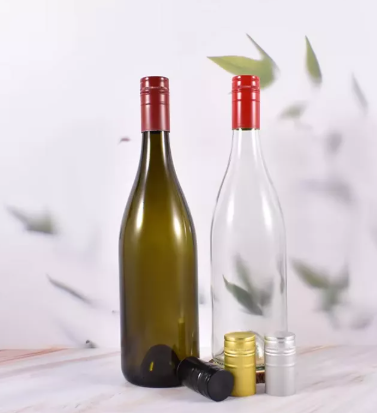
Cork closures are widely used for premium wines because they allow controlled oxygen exchange, supporting the aging process and enhancing flavor development over time.
Screw caps provide a reliable and convenient sealing solution, allowing easy opening and resealing while maintaining consistent quality.
ROPP caps are designed to provide tamper-proof security and consistent sealing, making them suitable for regulated markets and export products.
Selecting the right closure requires balancing cost, performance, and consumer expectations, ensuring that the chosen option meets both functional and marketing requirements.
Cost is an important factor, and purchasing directly from manufacturers can help reduce expenses while ensuring better quality and consistency.
A high-quality wine bottle should have consistent thickness, smooth surfaces, and strong structural integrity to withstand handling and transport.
Reliable suppliers offer stable production capacity, customization options, and consistent quality, which are essential for long-term business success.
Efficient packaging and storage solutions reduce damage during transport and improve operational efficiency.
In modern markets, where differentiation is essential, using unique or uncommon wine bottle colors such as blue, black, or custom shades can help brands stand out and create a distinctive identity that captures consumer attention quickly, especially in crowded retail environments where visual competition is intense. These colors can communicate premium positioning, creativity, or niche branding, making them particularly useful for limited editions or specialty products; however, it is important to ensure that these design choices do not compromise the functional requirements of the wine bottle, such as light protection and material integrity. A well-balanced approach combines visual innovation with practical performance, and companies like Xuzhou Glamour Exp.& Imp. Co., Ltd. provide customized color solutions and high-quality manufacturing to help brands achieve both aesthetic appeal and product reliability.
A: A wine bottle with strong glass and good sealing works best.
A: Choose a wine bottle size based on usage and market needs.
A: A wine bottle color protects wine from light damage.
A: A wine bottle with higher quality lasts longer and looks premium.
A: Check a wine bottle for thickness, clarity, and sealing.