
Views: 0 Author: Site Editor Publish Time: 2026-02-03 Origin: Site


Glass jars are among the most versatile and sustainable containers in homes, businesses, and industries worldwide. Whether used for food storage, packaging, crafts, or retail products, glass jars offer unmatched benefits for safety, sustainability, and organization. This guide explains everything you need to know about glass jars — from properties and applications to advantages, types, and how to choose the right one.
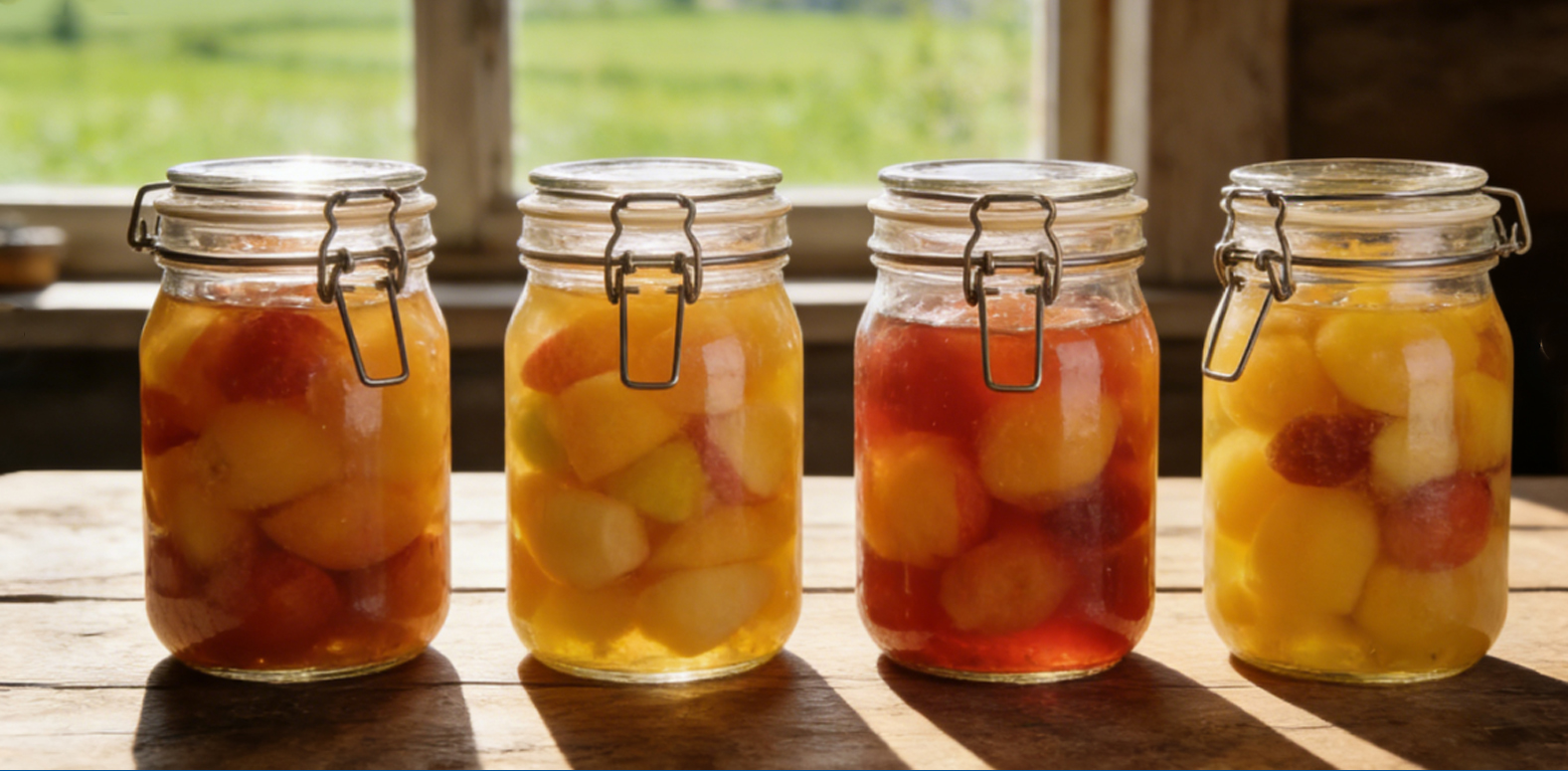
A glass jar is a rigid container made of glass — typically featuring a cylindrical body and a secure lid. Unlike bottles, glass jars often have a wide mouth, making them easy to fill, clean, and access. They serve countless functions, from food storage and preservation to packaging, decor, and industrial uses.
Glass jars are non-reactive, non-porous, and transparent, qualities that make them ideal for a wide range of applications in everyday life and manufacturing.
Glass does not react with food, liquids, or chemicals, preventing contamination or chemical leaching — a risk that exists with some plastics. This makes glass ideal for storing acidic foods, oils, sauces, and more.
Airtight seals on glass jars keep oxygen, moisture, and contaminants out, extending shelf life and preserving flavor, texture, and nutrients.
Glass clear walls allow users to instantly see interior contents. This visibility helps with inventory management, reduces food waste, and streamlines kitchen organization.
Glass is non-porous and does not absorb food odors, colors, or stains, unlike many plastics — helping containers stay fresh and hygienic after repeated use.
Many glass jars — especially borosilicate glass — resist thermal shock. They can go from cold to hot environments (e.g., refrigerator to hot water bath) without warping, making them suitable for canning and freezing.
Glass is 100% recyclable and retains quality indefinitely. Recycling glass reduces raw material use and environmental impact.
Glass jars excel across many scenarios and industries:
Glass jars are widely used for everyday pantry needs like:
Dry goods (flour, rice, pasta)
Spices and herbs
Preserves, jams, pickles
Sauces, oils, nut butters
Their airtight seals maintain freshness and protect against humidity and pests.
Special canning jars (e.g., Mason jars) support hot-water or pressure canning processes, allowing long-term preservation of fruits, vegetables, sauces, and fermented foods.
Glass jars are popular for packaging cosmetics like creams, balms, scrubs, and candle containers. Their clarity and aesthetic appeal convey premium quality, while providing product protection.
In labs and workshops, glass jars hold chemicals, craft supplies, adhesives, and paints due to their chemical stability and resistance to corrosion.
Glass jars are also used creatively for:
Craft storage
DIY gifts
Floral vases
Candle making
Desk or workshop organization
| Type | Typical Use | Benefits |
|---|---|---|
| Mason Jars | Canning, pickles | Excellent seal; versatile |
| Wide-Mouth Jars | Grains, dry goods | Easy filling and cleaning |
| Clip-Lock Jars | Coffee, nuts | Strong airtight seal |
| Amber/Colored Glass | Light-sensitive items | Protects from UV |
| Decorative Jars | Crafts, gifts | Customizable aesthetics |
Choosing the right type depends on intended use, sealing needs, and whether light protection is required.
| Feature | Glass | Plastic |
|---|---|---|
| Chemical Stability | ✔ inert, non-leaching | ✘ can leach chemicals |
| Odor/Color Retention | ✔ no retention | ✘ may retain odors |
| Durability | ✔ heat & stain resistant | ✘ warps with heat |
| Sustainability | ✔ fully recyclable | ✘ difficult to recycle |
Glass jars generally outperform plastics in safety, sustainability, and longevity — especially for long-term food storage and organization.
Food storage → wide mouth + airtight lid
Preservation/canning → certified canning jar
Cosmetics/gifts → decorative glass with custom lid
Borosilicate glass offers better thermal shock resistance
Ensure lids seal fully (rubber seals or clamp systems)
Dishwasher & freezer safe if needed
Easy-to-clean surface for hygiene
Q: Are glass jars safe for acidic foods?
Yes — glass is non-reactive, so it won’t interact with acids, oils, or spices, making it ideal for sauces and pickles.
Q: Can you reuse glass jars indefinitely?
Yes — glass retains quality through unlimited recycling and repeated reuse without degradation.
Q: What makes glass jars better than plastic containers?
Glass is safer, non-toxic, odor-resistant, and more sustainable than many plastic alternatives.
Glass jars are more than just containers — they are safe storage solutions, sustainable packaging options, and versatile tools used in kitchens, industries, and creative spaces worldwide. Their inert nature, visual transparency, and durability make them ideal for both everyday use and specialized applications. Whether you’re organizing your pantry, preserving seasonal produce, or designing premium packaging, glass jars remain one of the most trusted and eco-friendly choices available.