
Views: 0 Author: Site Editor Publish Time: 2026-03-18 Origin: Site


What size beer bottle works best? Many buyers judge packaging first.A beer bottle affects cost and storage. It also shapes brand image and value.In this article, you will learn key tips. We explain how to choose the right size.
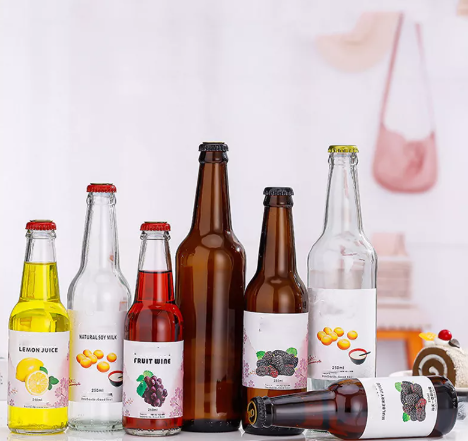
Understanding consumer behavior is the foundation of selecting the right beer bottle size, because different customers have different drinking habits, and some prefer single-serve bottles for convenience and portability while others prefer larger bottles for sharing during social occasions, and on-the-go consumers typically choose smaller formats that are easy to carry and consume quickly, whereas home users often prefer larger sizes that provide better value and reduce the need for multiple purchases, and premium customers may expect unique or larger bottle formats that enhance the overall drinking experience and reflect product quality, which means businesses must analyze their target audience carefully before deciding on bottle size.
Matching beer bottle size with the type of beer is essential because different beer styles require different consumption patterns, and light beers such as lagers are often consumed quickly and are therefore better suited for smaller bottles, while strong or high-alcohol beers are typically consumed more slowly and are better packaged in larger bottles that support sharing or extended drinking sessions, and craft beers often use unique or non-standard bottle sizes to create differentiation and attract niche markets, which allows brands to enhance their identity and stand out in a competitive environment.
Beer bottle sizes vary widely across markets, and each size serves a specific purpose depending on the intended use, because smaller bottles around 250ml are ideal for sampling, promotions, and travel use, while medium sizes such as 275ml and 330ml are commonly used for retail due to their balance between convenience and cost, and larger bottles such as 500ml are suitable for sharing or premium positioning, providing a more engaging consumption experience, and versatile product options like 250ml, 275ml, 330ml, and 500ml glass beer bottles offer flexibility for different applications, including beer, soft drinks, and kombucha, making them a practical choice for businesses seeking adaptable packaging solutions.
Size Type | Capacity | Typical Use | Key Advantage |
Mini | 250ml | Sampling | Easy to carry |
Medium | 275–330ml | Retail | Balanced size |
Large | 500ml | Sharing | Premium feel |
Logistics and storage efficiency are critical when choosing a beer bottle size because smaller bottles allow better packing density and reduce the risk of breakage during transportation, while standardized sizes simplify warehouse storage and distribution processes, and although larger bottles can improve brand visibility and perceived value, they often increase shipping costs and require stronger packaging materials, which can raise overall operational expenses, so businesses must carefully balance branding needs with logistical efficiency to achieve optimal results.
Cost analysis plays an important role in selecting the right beer bottle size because larger bottles generally reduce packaging cost per liter due to lower material usage relative to volume, while smaller bottles can increase profit margins by offering convenience and allowing higher per-unit pricing, and businesses must consider production costs, transportation expenses, and market pricing strategies to determine the most profitable option that aligns with their brand positioning and target audience expectations.
Regional preferences significantly influence beer bottle size selection because different markets have established standards and consumer expectations, and for example, North America commonly uses 355ml bottles, Europe prefers 330ml and 500ml formats, and the UK favors 500ml bottles due to traditional drinking habits, while other regions may have unique preferences based on cultural and regulatory factors, so understanding these differences is essential for ensuring market acceptance and avoiding mismatched packaging strategies.
Testing beer bottle samples before mass production is a critical step because it helps identify potential issues related to filling, sealing, transportation, and storage, and even small defects such as uneven thickness or poor sealing performance can lead to significant losses during large-scale operations, so conducting real-world tests ensures that the selected bottle size meets quality standards and performs reliably under actual conditions.
Mini beer bottles, typically around 250ml or smaller, are widely used for tastings, promotional events, and travel-friendly packaging, as they offer convenience, reduce waste, and allow consumers to try new products without committing to a full-size bottle.
Standard beer bottle sizes such as 275ml, 330ml, and 355ml dominate global markets because they provide an ideal balance between serving size, affordability, and distribution efficiency, making them suitable for both large-scale production and retail sales.
Large beer bottles ranging from 500ml to 750ml are commonly associated with premium products and social consumption, as they enhance the drinking experience and create opportunities for sharing, which can improve customer engagement and brand perception.
Extra-large beer bottle formats such as growlers and magnums are typically used for breweries, special events, and bulk purchases, allowing consumers to enjoy larger quantities while also supporting brand visibility and differentiation in niche markets.
Bottle Type | Capacity | Application | Benefit |
Growler | 1–1.9L | Brewery use | Refillable |
Magnum | 1.5L | Events | Premium image |
Beer bottle size plays a significant role in shelf presence because larger bottles naturally attract more attention and stand out in crowded retail environments, while smaller bottles appeal to consumers who prioritize convenience and portability, making it important to align size with brand strategy and target audience.
Larger beer bottle formats are often associated with premium quality and exclusivity, as they create a sense of value and uniqueness that appeals to consumers looking for special or high-end products, which can enhance brand image and justify higher pricing.
Bottle size directly affects the available space for branding and labeling, as larger bottles provide more room for creative designs and detailed information, while smaller bottles require concise and impactful visuals to communicate brand identity effectively.
The durability of a beer bottle depends on its glass thickness and material quality, as larger bottles require thicker glass to withstand pressure and handling during transportation, while high-quality lead-free glass ensures safety, strength, and long-term usability.
Weight is an important factor because heavier bottles increase shipping costs and carbon emissions, while lightweight designs improve transportation efficiency and reduce operational expenses, making it essential to balance durability with weight optimization.
Glass beer bottles are environmentally friendly because they are recyclable and reusable, and using standardized sizes supports recycling systems and reduces waste, while sustainable packaging practices can also enhance brand reputation and attract eco-conscious consumers.
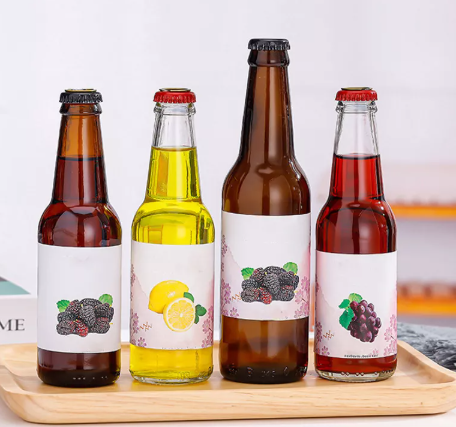
Retail stores prefer standardized beer bottle sizes that fit shelves easily and allow efficient stacking, which improves product display and increases sales potential by making products more accessible to consumers.
Bars and restaurants select beer bottle sizes based on serving style and customer preferences, with smaller bottles suited for individual servings and larger bottles ideal for sharing among groups.
E-commerce requires durable and compact beer bottle sizes to minimize damage during shipping, and uniform packaging improves efficiency in handling, storage, and delivery processes.
Failing to consider consumer behavior can result in selecting a beer bottle size that does not meet market demand, leading to reduced sales and poor customer satisfaction.
Focusing solely on cost may result in packaging that compromises quality, usability, or brand perception, which can negatively impact long-term business success.
Ignoring logistics considerations can increase transportation costs, reduce efficiency, and lead to higher breakage rates.
Skipping testing can lead to issues such as leakage, breakage, or incompatibility with production systems, resulting in costly errors.
A reliable supplier should have strong production capacity and strict quality control processes to ensure consistent product quality and timely delivery.
Suppliers should offer flexible customization options, including size, color, and surface treatments such as silkscreen printing, labeling, and engraving, which help brands create unique packaging solutions.
Experienced suppliers provide stable supply chains, professional support, and efficient delivery timelines, ensuring long-term cooperation and business growth.
Choosing the right beer bottle size requires a careful balance between consumer preferences, cost efficiency, branding strategy, and logistics considerations, as each factor plays a crucial role in determining product success and market performance, and versatile options such as 250ml to 500ml customizable glass beer bottles from Xuzhou Glamour Exp.& Imp. Co., Ltd. provide flexible solutions for various applications, including beer, beverages, and decorative uses, allowing businesses to adapt to changing market demands while maintaining product quality and brand value, and by understanding these factors and making informed decisions, companies can optimize packaging strategies, reduce risks, and achieve long-term success in competitive markets.
A: The best beer bottle size depends on use and market.
A: Beer bottle size affects cost, storage, and user experience.
A: Choose beer bottle size based on usage and logistics.
A: A larger beer bottle suits sharing and premium positioning.
A: Check beer bottle thickness, sealing, and durability.