
Views: 0 Author: Site Editor Publish Time: 2026-03-23 Origin: Site


What makes a glass bottle truly the best? Many buyers judge quality at first sight.A glass bottle shows value and trust. Poor design can hurt brand image fast.In this article, you will learn key factors. We explain quality, design, and selection tips.
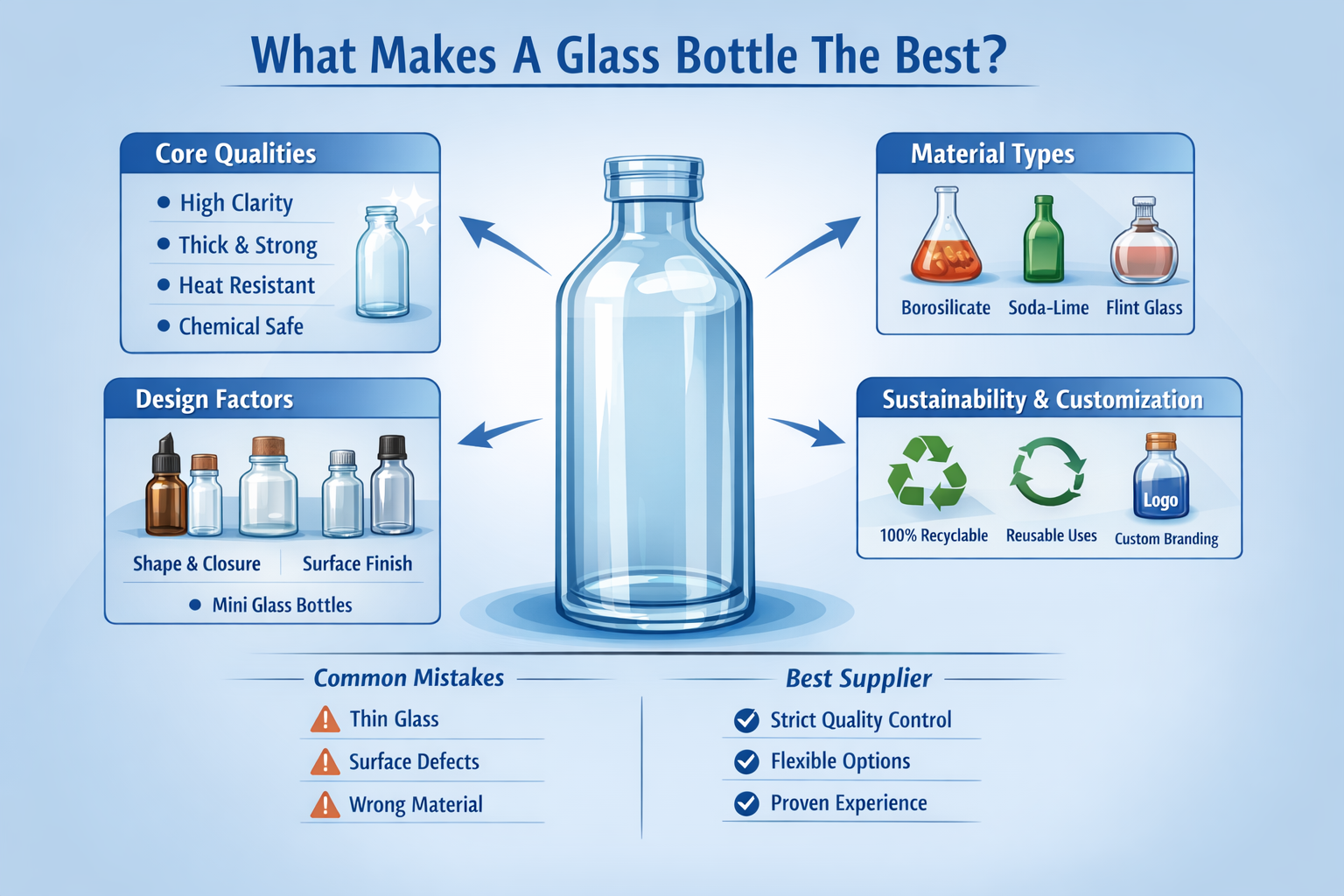
The clarity of a glass bottle is one of the most visible indicators of quality, because high-grade glass should appear transparent, smooth, and free from bubbles or impurities, which typically result from poor raw materials or weak manufacturing control. :contentReference[oaicite:0]{index=0} A clear bottle enhances product visibility, allowing consumers to inspect contents directly, which builds trust and improves shelf appeal, especially in food and beverage packaging where transparency signals freshness and safety.
The thickness of the glass determines its durability and resistance to breakage, and thicker walls provide better protection during transportation, reduce damage rates, and offer improved insulation against temperature changes, making them suitable for long-term storage and repeated use. While thinner bottles may reduce production cost, they often compromise structural integrity, which can lead to higher loss rates and reduced customer satisfaction in the long run.
Heat resistance is another critical factor, especially for products exposed to temperature variations, and high-quality glass bottles made from borosilicate materials can withstand rapid heating and cooling without cracking, which is essential for applications in laboratories, hot beverages, and sterilization processes. This thermal stability also enhances product safety and extends the lifecycle of the packaging.
The bottle mouth plays an essential role in usability and sealing performance, and a smooth, well-finished opening ensures proper closure, prevents leakage, and improves the user experience when pouring or drinking directly, while poorly finished edges can reduce sealing effectiveness and negatively impact the perceived quality of the product.
One of the most important advantages of a glass bottle is its chemical inertness, meaning it does not react with its contents, which preserves the original flavor, aroma, and chemical composition of products such as beverages, cosmetics, and pharmaceuticals, ensuring safety and long-term storage reliability.
Surface quality reflects the level of manufacturing precision, and advanced processes such as annealing reduce internal stress and improve strength, while defects such as rough textures or uneven surfaces can weaken the bottle and reduce its aesthetic value, which may impact brand perception and customer trust.
Factor | Indicator | Impact on Quality |
Clarity | No bubbles | High |
Thickness | ≥1.2mm | High |
Surface | Smooth finish | Medium |
Mouth Design | Even edge | High |
Heat Resistance | Stable under heat | High |
Borosilicate glass is known for its excellent thermal resistance and chemical stability, making it ideal for high-performance applications where durability and safety are essential, such as laboratory containers and premium beverage packaging.
Soda-lime glass is the most commonly used material due to its balance between cost and performance, and it is widely applied in food and beverage industries where affordability and reliability are important.
Flint glass offers superior transparency and brilliance, making it suitable for luxury products such as perfumes and high-end spirits, where visual appeal plays a significant role in consumer perception.
The shape of a glass bottle affects both functionality and branding, and ergonomic designs improve handling and usability, while unique shapes help differentiate products on crowded shelves and reinforce brand identity.
Closures such as screw caps, corks, and droppers influence how well the bottle preserves its contents, and an effective sealing system prevents leakage, contamination, and product degradation, ensuring long-term quality and safety.
Colored glass bottles provide UV protection for light-sensitive products, while finishes such as frosted or textured surfaces enhance visual appeal and create a premium feel, which is particularly important for cosmetics and luxury packaging.
Glass can be recycled indefinitely without losing its properties, making it one of the most environmentally friendly packaging materials available, and this reduces waste and conserves natural resources.
A glass bottle can be reused multiple times, which supports sustainable business models and reduces packaging costs over time, especially for refillable systems.
Glass is free from harmful chemicals such as BPA, ensuring safety for both consumers and the environment, and making it suitable for sensitive applications.
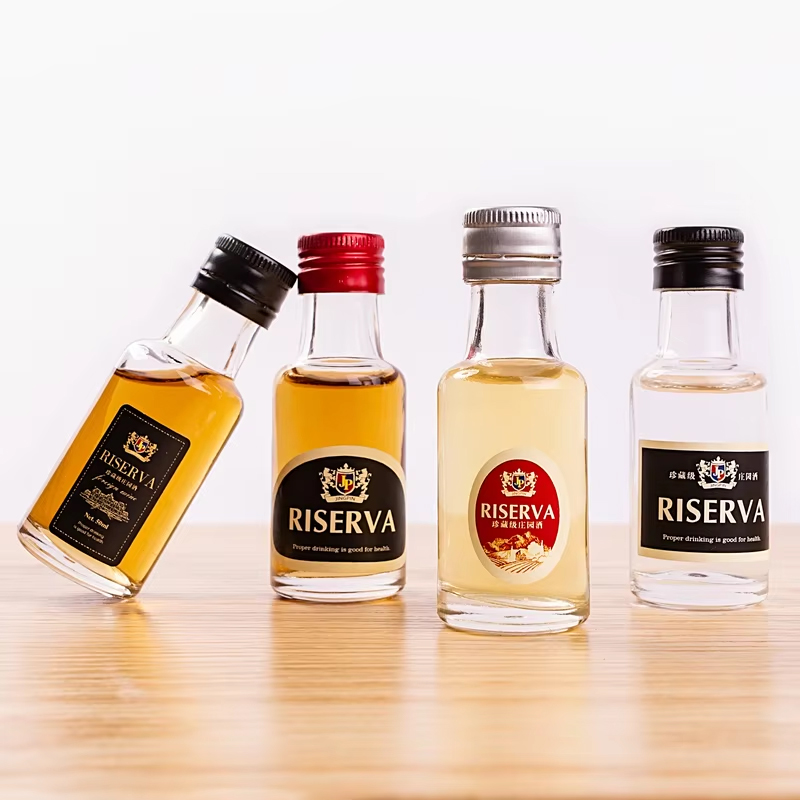
Choosing the right size is essential for product positioning, and options range from large containers to Mini Glass Bottles, which are ideal for samples, travel kits, and premium gift packaging.
Decoration methods such as screen printing, embossing, labeling, and hot stamping allow brands to create distinctive packaging that enhances recognition and market appeal.
Customized caps, droppers, and accessories improve both functionality and aesthetics, enabling brands to tailor packaging solutions to specific product requirements.
Bottle Type | Capacity | Application | Benefit |
Mini Glass Bottles | 5–100ml | Samples, oils | Portable |
Medium Bottles | 250–500ml | Cosmetics, drinks | Balanced |
Large Bottles | 750ml+ | Beverages | Cost-efficient |
Choosing a thin glass bottle may seem cost-effective at first, but it often leads to higher breakage rates during transportation, storage, and handling, which increases overall costs in the long run, especially for fragile or liquid-filled products that require durability and stability under pressure and movement. A properly designed glass bottle with adequate wall thickness not only improves strength but also enhances product protection and user confidence, making it a critical factor for both logistics efficiency and brand reliability.
Surface quality plays a direct role in how consumers perceive a product, and defects such as bubbles, scratches, or uneven textures often indicate poor manufacturing control, which can reduce trust and negatively affect purchasing decisions, particularly in premium markets where appearance is closely linked to perceived value. A high-quality glass bottle should have a smooth, uniform surface that reflects precision and consistency, ensuring that the final product looks professional and appealing on store shelves or in online listings.
Selecting the wrong material for a glass bottle can lead to serious performance issues, especially when the product requires resistance to heat, pressure, or chemical reactions, such as in the case of beverages, cosmetics, or pharmaceutical applications, where stability and safety are essential. For example, using standard soda-lime glass for high-temperature applications may result in cracking, while borosilicate glass offers better thermal resistance and durability, making material selection a key decision that directly impacts product performance and longevity.
Skipping sample testing is a common mistake that can lead to significant losses, because issues such as inconsistent thickness, poor sealing performance, or dimensional inaccuracies often only become visible during real use, especially in filling, sealing, or transportation processes. By testing samples in advance, businesses can verify compatibility with their production lines, ensure consistent quality, and avoid costly returns or product failures after mass production, making this step essential for risk control and quality assurance.
A reliable glass bottle supplier should implement strict quality control systems, including raw material inspection, in-process monitoring, and final product testing, to ensure that every batch meets consistent standards in terms of thickness, clarity, and structural integrity, which is especially important for industries that require compliance with safety regulations such as food, beverage, and pharmaceutical sectors. Strong quality control not only reduces defects but also builds long-term trust between the supplier and the buyer.
Modern markets demand differentiation, and a strong supplier should offer flexible customization options such as size variation, surface decoration, logo printing, and closure matching, allowing brands to create unique packaging that aligns with their identity and target audience. This is particularly important for niche products and Mini Glass Bottles, where customization can significantly enhance product appeal, improve shelf visibility, and support branding strategies in competitive markets.
Experienced manufacturers bring valuable advantages, including advanced production technology, stable supply chains, and efficient delivery timelines, all of which are critical for maintaining consistent product availability and meeting market demand. A supplier with proven experience can also provide professional guidance, helping businesses select the most suitable glass bottle solutions based on application needs, cost considerations, and long-term growth plans, ensuring a reliable partnership that supports sustainable business development.
A great glass bottle blends clarity and strength. It also offers safety and smart design.It supports branding and sustainability goals. Mini Glass Bottles fit modern small uses.Xuzhou Glamour Exp.& Imp. Co., Ltd. provides quality and custom solutions. They help improve product value.
A: A glass bottle needs clarity, strength, and smooth finish.
A: A glass bottle is safer and keeps taste pure.
A: Yes, Mini Glass Bottles suit samples and branding.
A: Inspect a glass bottle for bubbles and thickness.
A: Mini Glass Bottles are strong with proper material.