
Views: 0 Author: Site Editor Publish Time: 2026-01-30 Origin: Site


Homemade infused oils and vinegars are a delightful way to elevate culinary experiences, imbuing everyday dishes with rich flavors. However, due to their delicate nature, they require careful storage to preserve their taste, safety, and shelf life. The wrong bottle can not only alter the flavor but also accelerate spoilage, potentially leading to oxidation, leakage, or contamination—factors that can harm product quality, and in a commercial setting, damage brand reputation. This guide explores the critical aspects of selecting the best glass bottles for storing infused oils and vinegars, focusing on materials, design, and closure types from both a consumer and business perspective.
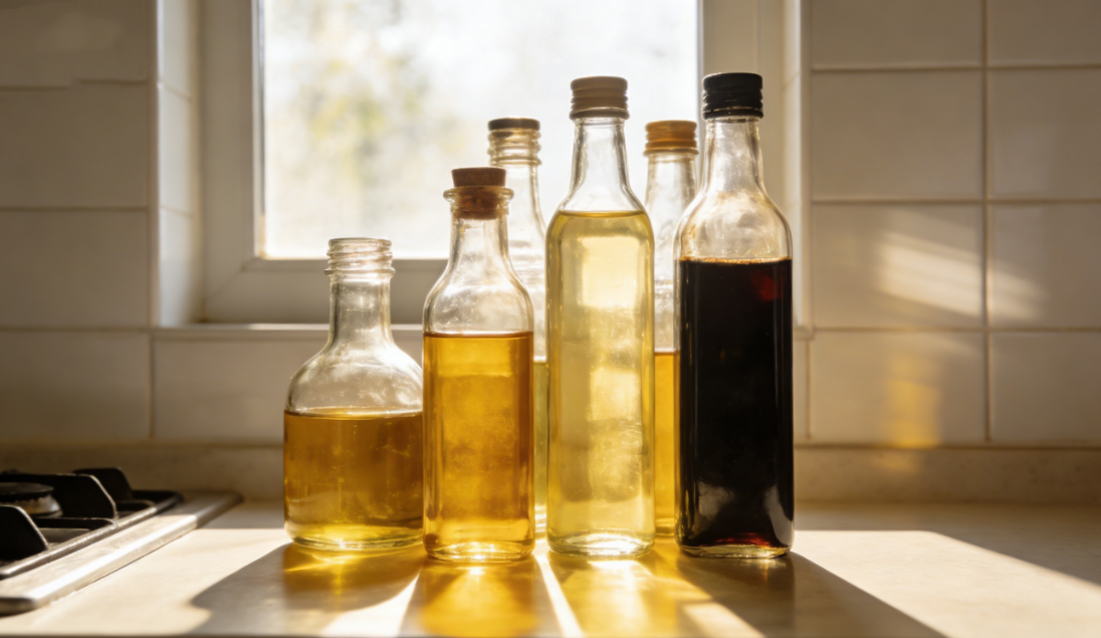
Infused oils and vinegars are inherently sensitive to environmental factors such as light, air, and acidity, making the choice of storage container vital for maintaining product integrity. Both oils and vinegars are prone to rapid degradation if exposed to suboptimal conditions, which underscores the importance of selecting a container that offers the right protection.
Light Exposure:
Light, particularly UV radiation, is one of the primary catalysts of oxidation, which can cause the delicate flavors of infused oils to degrade and lose their aromatic qualities. This is especially concerning for oils infused with herbs and spices, which are highly sensitive to light. Even slight exposure to light accelerates chemical reactions that diminish the oil’s flavor, texture, and shelf life.
Oxygen Permeability:
Oxygen is another major factor in the deterioration of oils, leading to rancidity. Oils, particularly those with high levels of unsaturated fats like olive oil, react to oxygen in the air, causing them to spoil. Bottles that permit air exchange can drastically reduce the shelf life of your infusions, making the choice of an airtight, non-permeable container essential.
Acidity and Material Compatibility for Vinegars:
Vinegar is naturally acidic due to its acetic acid content, and this acidity can interact with inappropriate materials, leading to corrosion or unwanted flavor alterations. The right container must be resistant to acid and offer structural integrity, ensuring that the vinegar retains its intended flavor and safety.
Closure Integrity:
While often overlooked, the closure mechanism is crucial for maintaining the freshness of infused oils and vinegars. Poorly sealed bottles can result in leakage, contamination, or moisture entering, all of which compromise product quality and safety. This is particularly significant for businesses where consistency and quality are paramount for customer satisfaction and compliance.
Choosing the correct bottle is not simply about aesthetics or size. It’s about safeguarding the integrity of the infusion, extending its shelf life, and ensuring product safety—whether you are a home cook crafting small batches or a business professional seeking reliable, professional-grade packaging.
The material of the bottle plays a fundamental role in preserving the freshness, flavor, and safety of infused oils and vinegars. Glass is widely considered the best choice for both oils and vinegars due to its non-reactive properties, durability, and neutrality.
Why Glass Stands Out:
1. Non-Reactivity:
Glass is chemically inert, meaning it won’t react with oils or vinegar, ensuring that the flavor and aroma of the infusions remain unaffected over time. Unlike plastic, which can absorb odors and leach chemicals into the liquid, glass maintains the purity of the contents, keeping flavors intact.
2. Preservation of Flavor Integrity:
Glass does not absorb any of the aromatic compounds from herbs, spices, or fruit, ensuring that no unwanted flavors are imparted into the oil or vinegar. This is crucial for maintaining the consistency and quality of each batch of infusions.
3. Long-Term Safety Compliance:
Glass bottles comply with stringent food safety standards worldwide, being BPA-free, non-toxic, and easy to clean. This makes glass the ideal choice for both home use and commercial production. It offers peace of mind regarding food safety, especially important for businesses that need to meet regulatory standards.
4. UV Protection:
For oils, dark-colored glass bottles, such as amber and green, offer excellent protection against harmful UV rays. Light exposure accelerates oxidation, leading to spoilage. Dark glass helps mitigate this, keeping oils fresh and vibrant for longer periods.
While plastic and metal containers are used in some cases, they are not as suitable for long-term storage of infused oils and vinegars.
Plastic Bottles:
Plastic may initially seem convenient, but over time it can absorb odors and flavors, which compromises the purity of the oil or vinegar. Additionally, plastic is more permeable to oxygen than glass, increasing the likelihood of oxidation and reducing shelf life. These factors make plastic a less ideal material for storing oils and vinegars that require long-term preservation.
Metal Containers:
Metal containers, while durable, present unique challenges when used for vinegar storage. The acidity of vinegar can react with the metal, especially if the inner lining is damaged or poorly applied. This interaction can lead to corrosion or flavor changes, making metal containers less reliable for storing vinegar over extended periods.
The best choice of bottle for storing infused oils and vinegars depends on a variety of factors, including material thickness, bottle shape, and design features that improve storage efficiency and usability.
Dark Glass Bottles (Amber and Green):
Amber and green glass bottles are the gold standard for storing infused oils. These dark-colored bottles block out harmful UV light, reducing the risk of oxidation and extending the shelf life of the oil. Amber glass, in particular, provides superior UV protection, making it ideal for preserving the delicate notes of herb-infused oils such as rosemary, basil, and thyme.
Clear Glass Bottles:
While aesthetically pleasing, clear glass bottles offer no protection against UV light and are only suitable for short-term use. Clear glass bottles may be ideal for decorative purposes, such as for gifts or limited-edition products, but for oils that need to last longer, these should be used in conjunction with secondary packaging (e.g., boxes or fabric sleeves) to shield the contents from light.
Vinegar, with its higher acidity, demands more attention in terms of the material and construction of the bottle. Glass is still the best option, but the bottle design must be considered to withstand prolonged contact with acidic liquids.
Thicker Glass and Acid-Resistant Features:
Thick-walled glass bottles are preferred for vinegar storage, as they add stability and prevent any risk of damage from the acidic content. Additionally, glass bottles with a narrow neck can minimize the amount of oxygen exposure each time the bottle is opened, further helping preserve the flavor integrity of the vinegar.
Narrow Neck vs. Wide Mouth:
For oils, narrow-neck bottles are the best choice as they allow for precise pouring and minimize spills. For vinegar, wide-mouth bottles are more practical, as they facilitate easier filling and cleaning, which is particularly useful when making large batches or adding herbs and fruits for infusion.
The design and closure system of a bottle are just as important as the material when it comes to ensuring the quality and usability of infused oils and vinegars.
1. Closures:
Screw Caps with Food-Grade Liners:
Screw caps with food-grade, acid-resistant liners are essential for both oils and vinegars. These caps prevent oxygen from entering the bottle, thereby reducing oxidation and extending the shelf life of the product. Acid-resistant liners are particularly important for vinegar bottles to prevent corrosion.
Pourers and Drip-Control Caps:
For oils, pourers or drip-control caps provide a practical solution for dispensing, preventing spills and waste. These closures are ideal for oils used frequently in cooking or serving.
2. Corks (Not Recommended for Vinegar):
While corks may be aesthetically appealing, they are not suitable for vinegar storage. Over time, vinegar’s acidity can break down the cork, leading to leaks and potential contamination. For vinegar, a secure screw cap with an acid-resistant liner is always the better choice.
Selecting the right bottle for your homemade or commercially produced infused oils and vinegars is critical to maintaining product quality, flavor, and shelf life. Glass remains the preferred material due to its non-reactivity, UV protection, and durability. For oils, dark glass bottles (amber or green) offer the best protection against oxidation, while for vinegars, thicker glass and narrow-neck designs are essential to safeguard acidity-sensitive products.
When choosing a bottle, it’s essential to consider not only the material but also the closure system, bottle shape, and size. These factors contribute to the overall effectiveness of the bottle in preserving your infusions and ensuring they remain safe, fresh, and flavorful from the first use to the last.
For businesses, compliance with food safety standards and consistency in packaging are key considerations to ensure reliable production and packaging. By choosing the right glass bottles, you can confidently store and present your infused oils and vinegars, enhancing their appeal and extending their shelf life.

1. Which container is best for storing oil?
Glass bottles are the best choice for storing oil. They are non-reactive, do not absorb flavors, and provide better protection against oxygen compared to plastic. Dark glass bottles are especially effective for infused oil storage.
2. What is the best bottle to store olive oil in?
An amber glass bottle with a tight screw cap is the best option for olive oil. Amber glass blocks UV light, while a secure closure helps limit air exposure and slow oxidation.
3. How should oil and vinegar bottles be stored?
Oil and vinegar bottles should be kept in a cool, dark place and sealed tightly after each use. Avoid storing them near heat sources or in direct sunlight to maintain quality and shelf life.
4. Is dark glass better than clear glass for infused oils?
Yes. Dark glass, such as amber or green, provides better protection from light, which helps prevent oxidation and flavor degradation. Clear glass is better suited for short-term use or decorative purposes.
5. Can I use the same bottle for infused oils and infused vinegars?
In most cases, yes—if the bottle is made from food-grade glass. However, vinegars benefit from thicker glass and acid-resistant closures due to their higher acidity.
6. Why does bottle shape matter for oil and vinegar storage?
Bottle shape affects oxygen exposure, pouring control, and storage efficiency. Narrow-neck bottles reduce air contact, while tall bottles offer better pouring control for oils.
7. Are corks suitable for storing infused vinegars?
Corks are not ideal for vinegar storage. They can leak and may react with vinegar’s acidity over time. Screw caps with acid-resistant liners provide a more reliable seal.
8. What bottle size is best for small-batch infused oils?
For small-batch or homemade use, bottles between 100ml and 250ml are ideal. They help maintain freshness by reducing the amount of air exposure after opening.
9. Do infused oils and vinegars need special closures?
Yes. Secure closures with food-grade liners help prevent leakage, contamination, and oxidation. For vinegars, acid-resistant liners are especially important.
10. Can clear glass bottles be used if stored properly?
Clear glass bottles can be used if the product has a short shelf life or is stored in a dark place or secondary packaging. For long-term storage, dark glass is still recommended.